
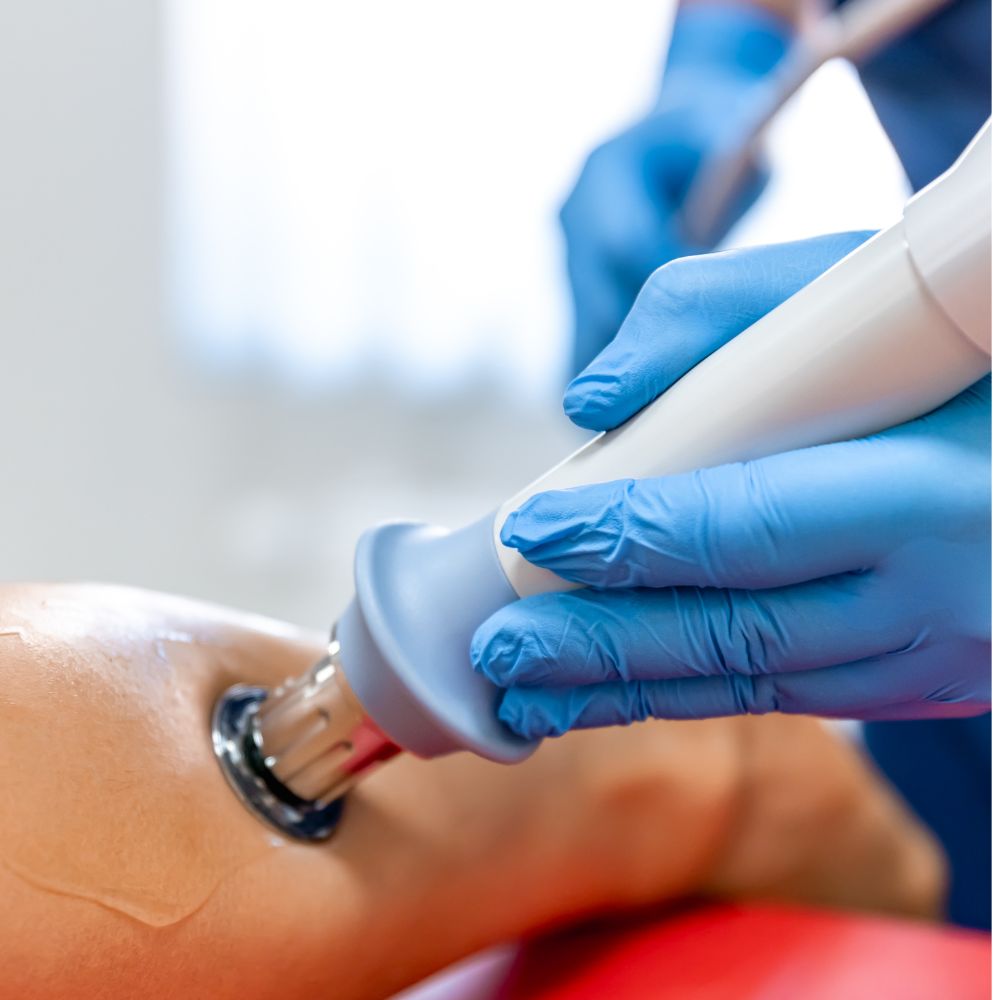
Vascular Laser Treatment for Clearer, Even-Toned Skin
Visible blood vessels, persistent redness, and spider veins can affect your confidence and make you feel self-conscious about your skin. Vascular laser treatment offers a safe, effective solution to reduce these concerns without surgery or significant downtime. At Glo Dermatology in Parma, Ohio, Dr. Shaza Daoud uses advanced vascular laser technology to help patients throughout Greater Cleveland achieve clearer, more even-toned skin.
Whether you’re bothered by rosacea-related redness, broken capillaries on your cheeks, spider veins on your legs, or other vascular concerns, laser treatment can make a visible difference. Dr. Daoud’s expertise in dermatological lasers ensures that each treatment is precisely calibrated to your skin type and specific concerns, delivering optimal results with minimal risk. Discover how vascular laser treatment can help you feel confident in your skin again.
What Is Vascular Laser Treatment?
Vascular laser treatment uses concentrated light energy to target and eliminate unwanted blood vessels beneath the skin’s surface. The laser emits a specific wavelength of light that is absorbed by hemoglobin (the red pigment in blood), heating and damaging the targeted blood vessels while leaving surrounding tissue unharmed.
Once treated, the damaged blood vessels collapse and are gradually absorbed by the body over the following weeks. The blood that previously flowed through these visible vessels is naturally rerouted to deeper, non-visible veins. The result is clearer skin with reduced redness and fewer visible vessels.
Different types of vascular lasers are available, each with specific wavelengths suited to different vessel sizes and depths. Dr. Daoud will select the most appropriate laser technology based on your specific concerns and skin type.
What Can Vascular Laser Treat?
Vascular laser treatment effectively addresses a wide range of concerns related to visible blood vessels and redness.
Facial Redness and Rosacea
Rosacea causes persistent facial redness, visible blood vessels, and flushing that can significantly impact appearance and self-esteem. Vascular laser treatment targets the dilated blood vessels responsible for rosacea-related redness, reducing background flush and visible telangiectasia (small dilated blood vessels). While laser treatment doesn’t cure rosacea, it can dramatically improve its appearance and is often a key component of comprehensive rosacea management.
Spider Veins (Telangiectasia)
Spider veins are small, dilated blood vessels visible near the surface of the skin. They often appear as red, purple, or blue web-like patterns. On the face, they commonly develop on the nose, cheeks, and chin. On the legs, they may appear as clusters of fine red or purple veins. Vascular laser treatment effectively eliminates these superficial vessels.
Broken Capillaries
Broken capillaries (technically dilated capillaries) appear as thin red lines or small red spots on the face. They can result from sun damage, aging, rosacea, skin trauma, or genetics. Laser treatment targets these vessels, causing them to fade or disappear.
Cherry Angiomas
Cherry angiomas are small, bright red growths made up of blood vessels. While harmless, they can be cosmetically bothersome. Vascular laser treatment can quickly and effectively remove cherry angiomas with minimal scarring.
Port Wine Stains
Port wine stains are birthmarks caused by abnormal blood vessel development in the skin. They appear as flat, pink to dark red patches that persist throughout life and may darken or thicken over time. Vascular laser treatment can significantly lighten port wine stains, though multiple treatments are typically required.
Hemangiomas
Hemangiomas are benign growths of blood vessels that can appear at birth or develop in early childhood. While many hemangiomas resolve on their own, vascular laser treatment can help accelerate their fading or treat residual redness.
Leg Veins
Small to medium spider veins on the legs can be treated with vascular lasers. For larger varicose veins, other treatments may be more appropriate, and Dr. Daoud can provide guidance on the best approach for your specific situation.
Facial Veins
Visible veins on the face, including those around the nose (commonly associated with rosacea), can be effectively treated with vascular laser therapy.
Poikiloderma
Poikiloderma of Civatte is a condition causing redness, brown discoloration, and visible blood vessels on the neck and chest, often resulting from chronic sun exposure. Vascular laser treatment can improve the vascular component of this condition.
How Does Vascular Laser Treatment Work?
Vascular laser treatment relies on a principle called selective photothermolysis. This means the laser energy is selectively absorbed by a specific target—in this case, hemoglobin in the blood—while sparing surrounding tissues.
During treatment, the laser emits pulses of light at a wavelength that hemoglobin absorbs efficiently. When the light is absorbed, it converts to heat, damaging the blood vessel walls. This damage causes the vessel to collapse and seal shut. Over the following weeks, the body naturally reabsorbs the treated vessel, and blood is rerouted through deeper, non-visible vessels.
Different vascular lasers use different wavelengths optimized for various vessel sizes and depths. Smaller, superficial vessels respond best to shorter wavelengths, while larger, deeper vessels may require longer wavelengths or different technologies. Dr. Daoud’s expertise ensures the right technology and settings are used for your specific concerns.
The Vascular Laser Treatment Experience
Getting vascular laser treatment at Glo Dermatology is a straightforward process with minimal disruption to your routine.
Your Consultation
Your treatment begins with a consultation with Dr. Daoud. She’ll examine the areas you want to address, discuss your concerns and goals, and determine whether vascular laser treatment is the right approach. She’ll explain what results you can expect and develop a customized treatment plan.
Certain factors may affect your eligibility for treatment, including recent sun exposure, use of certain medications, and pregnancy. Dr. Daoud will review your medical history and current medications to ensure treatment is safe for you.
Preparing for Treatment
Before your treatment, you’ll receive instructions to optimize results and minimize risks. Avoid sun exposure and tanning for several weeks before treatment. Discontinue any blood-thinning medications or supplements (with your doctor’s approval). Avoid aspirin and ibuprofen for a few days before treatment to minimize bruising risk. Come to your appointment with clean skin, free of makeup or lotion on treatment areas.
During Treatment
The treatment experience depends on the area being addressed and the extent of your concerns. Facial treatments typically take 15 to 30 minutes, while larger areas like the legs may take longer.
Protective eyewear will be provided to shield your eyes from the laser light. A cooling device or cooling gel may be used to protect your skin and enhance comfort.
During treatment, you’ll feel pulses of light energy, often described as a rubber band snapping against the skin or a warm, prickling sensation. Most patients find treatment tolerable without anesthesia, though topical numbing cream can be applied if desired.
After Treatment
Immediately after treatment, treated vessels may appear darker, and the surrounding skin may be pink or slightly swollen. These effects typically subside within hours to a few days.
Dr. Daoud will provide aftercare instructions to support healing and optimize results. Avoid sun exposure on treated areas. Use sunscreen diligently. Avoid hot baths, saunas, and strenuous exercise for 24 to 48 hours. Don’t pick at or scratch treated areas. Apply cool compresses if needed to reduce swelling.
What Results Can I Expect?
Results from vascular laser treatment develop gradually as treated vessels are absorbed by the body. You may notice improvement within a few days, with continued improvement over the following three to four weeks.
The number of treatments needed depends on the type, size, and severity of your vascular concerns. Small spider veins and broken capillaries may improve significantly after just one treatment. Larger vessels, extensive redness, or conditions like port wine stains typically require multiple treatments for optimal results.
During your consultation, Dr. Daoud will provide a realistic estimate of how many treatments you may need and what level of improvement you can expect.
Longevity of Results
Once treated vessels are eliminated, they don’t come back. However, vascular laser treatment doesn’t prevent new vessels from developing in the future. Some conditions, like rosacea, involve ongoing vessel formation, and maintenance treatments may be beneficial. Sun protection is essential for preventing new sun-related vascular damage.
Is Vascular Laser Treatment Safe?
When performed by a qualified provider like Dr. Daoud, vascular laser treatment is very safe. Modern vascular lasers include built-in safety features like cooling systems to protect the skin.
Common side effects are generally mild and temporary, including redness in the treated area, mild swelling, slight bruising (particularly when treating leg veins), and temporary darkening of treated vessels.
Serious complications are rare but can include burns, blistering, scarring, or changes in skin color. These risks are minimized when treatment is performed by an experienced provider using appropriate settings for your skin type.
Dr. Daoud will discuss all potential risks and benefits during your consultation.
Who Is a Good Candidate for Vascular Laser Treatment?
Vascular laser treatment is appropriate for most people with visible blood vessels, redness, or other vascular concerns. Good candidates have realistic expectations about results, are not pregnant or breastfeeding, have no active infections or skin conditions in the treatment area, can avoid sun exposure before and after treatment, and do not have a history of poor wound healing or keloid scarring.
Treatment can be performed on all skin types, though patients with darker skin tones may require additional precautions and specific laser settings to minimize the risk of pigmentation changes.
During your consultation, Dr. Daoud will assess your candidacy and discuss any specific considerations for your skin type and concerns.
Vascular Laser vs. Other Treatments
Vascular Laser vs. Sclerotherapy
For leg veins, both vascular laser treatment and sclerotherapy (injection of a solution that closes veins) can be effective. Lasers typically work best for smaller spider veins, while sclerotherapy may be more effective for larger or deeper veins. Dr. Daoud can recommend the best approach for your specific situation.
Vascular Laser vs. IPL
Intense Pulsed Light (IPL) is another light-based treatment that can address vascular concerns. While IPL uses a broad spectrum of light, vascular lasers use a specific wavelength targeted to hemoglobin. Lasers are often more precise and may be more effective for certain vascular concerns, though IPL can be an excellent option for diffuse redness.
Schedule Your Vascular Laser Consultation Today
Ready to reduce unwanted redness, spider veins, or visible blood vessels? Dr. Shaza Daoud and the team at Glo Dermatology are here to help you achieve clearer, more even-toned skin with advanced vascular laser treatment.
Contact our Parma office today at (216) 351-7700 to schedule your consultation. We welcome patients from throughout Greater Cleveland and Northeast Ohio, including Parma Heights, Brooklyn, Seven Hills, Independence, Middleburg Heights, and surrounding communities.
Frequently Asked Questions About Vascular Laser Treatment
Does vascular laser treatment hurt?
Most patients describe the sensation as similar to a rubber band snapping against the skin—noticeable but tolerable. Cooling devices help minimize discomfort, and topical numbing cream can be applied if desired.
How many treatments will I need?
The number of treatments varies based on your specific concerns. Small spider veins may respond well to one or two treatments, while more extensive conditions may require three to five treatments or more. Dr. Daoud will provide an estimate during your consultation.
Is there downtime after treatment?
Downtime is minimal. You may have some redness and swelling for a few hours to a few days, but most patients return to normal activities immediately. You’ll need to avoid sun exposure on treated areas.
When will I see results?
You may notice some immediate improvement, but full results develop over three to four weeks as treated vessels are absorbed by the body. Additional treatments, if needed, are typically spaced several weeks apart.
Can vascular laser treatment be used on dark skin?
Yes, but additional precautions are needed. Dr. Daoud will select appropriate laser settings and may recommend a test spot to ensure safe treatment for darker skin tones.
Will treated veins come back?
Once successfully treated, specific vessels are eliminated permanently. However, new vessels can develop over time, particularly with conditions like rosacea or continued sun exposure. Maintenance treatments and sun protection help maintain results.