
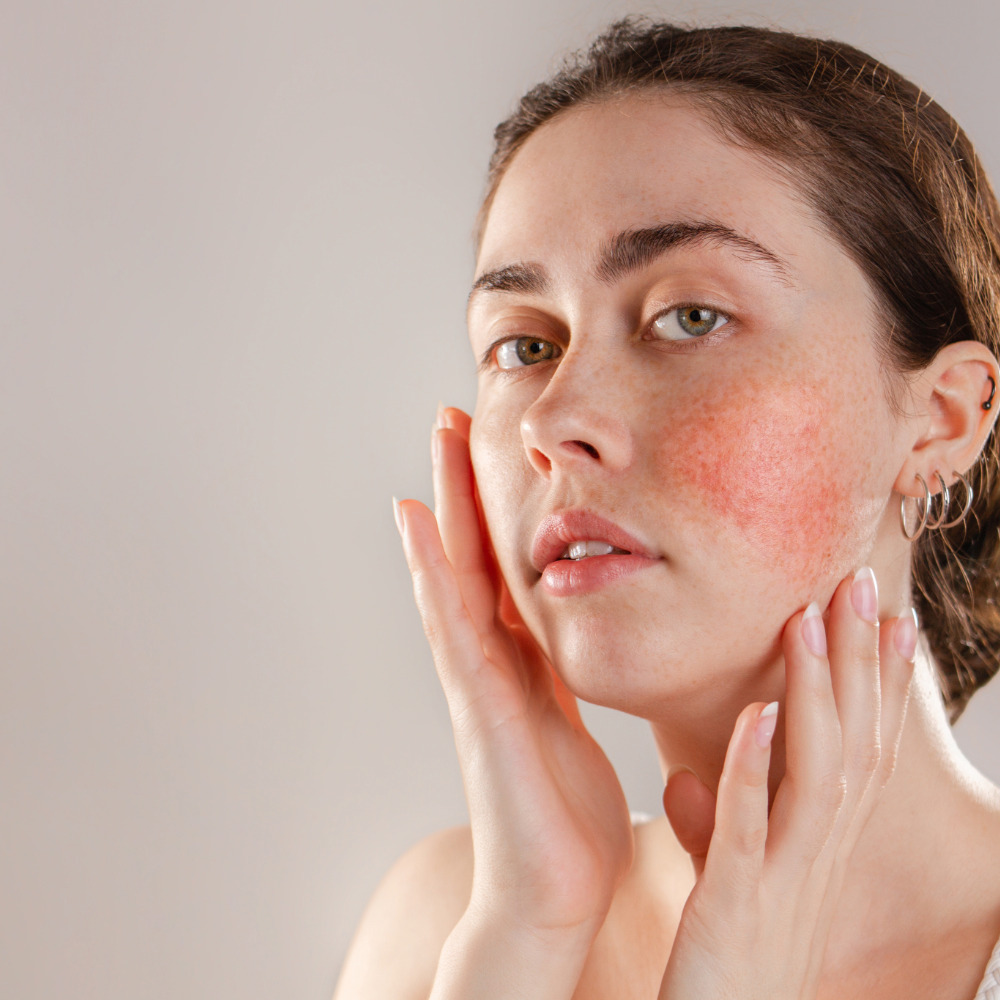
Rosacea Treatment That Reduces Redness and Restores Clearer Skin
Living with rosacea can be frustrating and emotionally challenging. The persistent facial redness, flushing, visible blood vessels, and bumps that characterize this chronic skin condition can affect your confidence and quality of life. At Glo Dermatology in Parma, Ohio, Dr. Shaza Daoud understands the impact rosacea has on her patients and provides comprehensive, personalized treatment to help you achieve clearer, calmer skin.
Rosacea affects an estimated 16 million Americans, yet many people don’t realize they have it or don’t know that effective treatments are available. If you’ve been struggling with a red, flushed complexion, unexplained facial bumps, or skin that reacts to seemingly everything, you may have rosacea—and you don’t have to simply live with it. Dr. Daoud offers a range of treatment options tailored to your specific type of rosacea and individual triggers, helping patients throughout Greater Cleveland manage their symptoms and regain control of their skin.
What Is Rosacea?
Rosacea is a chronic inflammatory skin condition that primarily affects the central face—the cheeks, nose, chin, and forehead. It typically begins after age 30 and is more common in people with fair skin, though it can affect anyone. Rosacea tends to run in families, suggesting a genetic component.
The condition develops gradually, often starting with a tendency to flush or blush more easily than others. Over time, the redness may become more persistent, and other symptoms may develop. Without treatment, rosacea typically worsens progressively, which is why early intervention is important.
Rosacea is often mistaken for acne, allergic reactions, or other skin conditions. However, it has distinct characteristics and requires specific treatment approaches. Proper diagnosis by a certified dermatologist like Dr. Daoud ensures you receive appropriate care for your condition.
While there is no cure for rosacea, it is highly manageable. With the right combination of medical treatment, trigger avoidance, and skincare, most people with rosacea can significantly reduce their symptoms and enjoy long periods of clearer skin.
Types of Rosacea
Rosacea presents in several different forms, and understanding which type (or types) you have is essential for effective treatment. Many people experience features of more than one subtype.
Erythematotelangiectatic Rosacea (ETR)
This subtype is characterized by persistent facial redness (erythema), flushing, and visible blood vessels (telangiectasia). The skin may also feel sensitive, burning, or stinging. Flushing episodes can be triggered by various factors and may last for extended periods. Over time, the redness may become permanent rather than coming and going.
Papulopustular Rosacea
Often called “acne rosacea,” this subtype features acne-like breakouts with red bumps (papules) and pus-filled bumps (pustules). These typically appear on the cheeks, chin, and forehead. Unlike acne, rosacea doesn’t cause blackheads. Papulopustular rosacea also involves the persistent redness characteristic of ETR.
Phymatous Rosacea
This subtype causes thickening of the skin, most commonly on the nose (rhinophyma), but it can also affect the chin, forehead, cheeks, and ears. The skin becomes bumpy and irregular, and pores may appear enlarged. Phymatous rosacea is more common in men and typically develops after years of untreated or undertreated rosacea.
Ocular Rosacea
Rosacea can affect the eyes, causing symptoms like dryness, burning, itching, grittiness, light sensitivity, blurred vision, and visible blood vessels on the eyelids or whites of the eyes. The eyes may appear watery or bloodshot. Ocular rosacea can occur with or without skin symptoms and, if left untreated, can potentially affect vision.
What Causes Rosacea?
The exact cause of rosacea isn’t fully understood, but research suggests it involves a combination of genetic, environmental, vascular, and immune system factors.
Vascular Abnormalities
People with rosacea appear to have blood vessels that dilate (widen) more easily than normal, leading to flushing and persistent redness. Over time, these blood vessels may become permanently enlarged and visible through the skin.
Immune System Dysfunction
Research indicates that rosacea involves abnormal immune responses in the skin. The innate immune system, which provides the body’s first line of defense against threats, appears to be overactive in people with rosacea, leading to chronic inflammation.
Demodex Mites
Demodex mites are microscopic organisms that live naturally in human hair follicles. People with rosacea tend to have higher numbers of these mites on their skin. While the relationship isn’t fully understood, the mites (or the bacteria they carry) may contribute to inflammation in susceptible individuals.
Genetics
Rosacea runs in families, suggesting a hereditary component. If you have relatives with rosacea, you’re more likely to develop it yourself.
Environmental and Lifestyle Triggers
While triggers don’t cause rosacea, they can provoke flare-ups in people who have the condition. Common triggers include sun exposure, hot or cold weather, wind, humidity, hot beverages, spicy foods, alcohol (especially red wine), stress, intense exercise, hot baths or saunas, certain skincare products, and some medications.
Recognizing Rosacea Symptoms
Rosacea symptoms vary from person to person, but common signs include frequent flushing or blushing that occurs easily and lasts longer than normal, persistent redness in the central face that may look like a sunburn that doesn’t go away, visible blood vessels (spider veins) on the cheeks and nose, bumps and pimples that may resemble acne, skin sensitivity with burning, stinging, or itching sensations, dry or rough skin texture, swelling or edema in the face, and thickening of the skin, particularly on the nose.
If you’re experiencing any of these symptoms, scheduling an evaluation with Dr. Daoud can help determine whether rosacea is the cause and what treatment approach would be most effective for you.
Diagnosing Rosacea
There’s no specific test for rosacea—diagnosis is based on the appearance of your skin and your symptom history. During your appointment at Glo Dermatology, Dr. Daoud will examine your skin carefully, looking for the characteristic signs of rosacea.
She’ll ask about your symptoms, including when they started, what seems to trigger flare-ups, and how your skin has changed over time. She’ll also ask about your skincare routine, as certain products can worsen rosacea.
Because rosacea can resemble other conditions—including acne, lupus, seborrheic dermatitis, and allergic reactions—Dr. Daoud will evaluate your skin to rule out other possible causes of your symptoms. In some cases, a skin biopsy may be helpful for confirming the diagnosis or ruling out other conditions.
If you have eye symptoms, Dr. Daoud may recommend evaluation by an ophthalmologist to assess for ocular rosacea and ensure your eye health is protected.
Rosacea Treatment Options
Effective rosacea management typically requires a multi-faceted approach combining medical treatments, trigger avoidance, and appropriate skincare. Dr. Daoud will develop a personalized treatment plan based on your specific subtype of rosacea, the severity of your symptoms, and your individual needs.
Topical Medications
Topical treatments are often the first line of therapy for mild to moderate rosacea. Several prescription options are available.
Metronidazole is an antibiotic gel or cream that reduces inflammation and bumps associated with rosacea. It’s typically applied once or twice daily.
Azelaic acid helps reduce bumps, redness, and swelling. It also has antibacterial properties and can improve skin texture.
Ivermectin is an anti-parasitic cream that targets Demodex mites and has anti-inflammatory effects. It’s particularly effective for papulopustular rosacea.
Brimonidine and oxymetazoline are vasoconstrictors that temporarily reduce facial redness by constricting blood vessels. They can provide quick relief for persistent redness but don’t treat underlying inflammation.
Oral Medications
For moderate to severe rosacea or rosacea that doesn’t respond adequately to topical treatment, oral medications may be recommended.
Low-dose doxycycline has anti-inflammatory properties that help control rosacea symptoms without the antibiotic effects that can disrupt gut bacteria. It’s commonly prescribed for papulopustular rosacea.
Other oral antibiotics, including minocycline and tetracycline, may also be used, particularly for more severe cases.
Isotretinoin, typically reserved for severe cases that don’t respond to other treatments, can be highly effective but requires careful monitoring due to potential side effects.
Laser and Light Therapies
Laser and intense pulsed light (IPL) treatments can be highly effective for treating visible blood vessels and persistent redness associated with rosacea. These treatments target blood vessels beneath the skin’s surface, causing them to shrink or disappear.
Vascular lasers and IPL work by delivering controlled light energy that’s absorbed by blood vessels, heating and destroying them without damaging surrounding tissue. The treated vessels are gradually absorbed by the body, resulting in reduced redness and fewer visible blood vessels.
Multiple treatment sessions are typically needed for optimal results, and maintenance treatments may be recommended to address new blood vessels that develop over time.
Treatment for Ocular Rosacea
If you have ocular rosacea, treatment may include artificial tears to relieve dryness, warm compresses and lid hygiene to improve oil gland function, and oral antibiotics to reduce inflammation. Severe cases may require prescription eye drops or evaluation by an ophthalmologist.
Treatment for Rhinophyma
Advanced phymatous rosacea with significant skin thickening may require surgical or laser procedures to reshape the affected tissue. These procedures remove excess tissue and restore a more normal contour to the nose or other affected areas.
Managing Rosacea Triggers
Identifying and avoiding your personal triggers is a crucial part of rosacea management. While triggers vary from person to person, keeping a diary of your flare-ups can help you identify patterns and determine what factors worsen your symptoms.
Sun Protection
Sun exposure is one of the most common rosacea triggers. Protect your skin by applying broad-spectrum sunscreen with SPF 30 or higher daily, even on cloudy days. Choose sunscreens formulated for sensitive skin, as some sunscreen ingredients can irritate rosacea-prone skin. Wear a wide-brimmed hat when spending time outdoors, and seek shade during peak sun hours.
Temperature Extremes
Both hot and cold temperatures can trigger flushing. In hot weather, stay cool with air conditioning, fans, and cold beverages. In cold weather, protect your face with a scarf and moisturize to prevent dryness. Avoid hot baths, saunas, and steam rooms.
Dietary Triggers
Hot beverages, spicy foods, and alcohol—particularly red wine—are common dietary triggers. Pay attention to how your skin responds after eating certain foods, and limit or avoid those that seem to provoke flare-ups. If you enjoy hot coffee or tea, try letting it cool before drinking.
Stress Management
Emotional stress is a significant trigger for many rosacea sufferers. Finding healthy ways to manage stress—through exercise, meditation, deep breathing, adequate sleep, or counseling—can help reduce flare-ups.
Skincare Products
Many skincare products contain ingredients that can irritate rosacea-prone skin. Avoid products with alcohol, fragrance, menthol, witch hazel, eucalyptus oil, or other potentially irritating ingredients. Dr. Daoud can recommend gentle, rosacea-friendly skincare products.
Skincare Tips for Rosacea
A gentle, consistent skincare routine supports your medical treatment and helps maintain calmer skin.
Cleanse your face twice daily with a gentle, non-foaming cleanser formulated for sensitive skin. Use lukewarm (not hot) water, and pat dry gently rather than rubbing.
Moisturize daily to strengthen your skin’s protective barrier. Choose fragrance-free moisturizers designed for sensitive skin. Applying moisturizer before topical medications can help reduce irritation.
Always use sunscreen as part of your daily routine. Physical (mineral) sunscreens containing zinc oxide or titanium dioxide are often better tolerated than chemical sunscreens for rosacea-prone skin.
Introduce new products one at a time, waiting at least two weeks between additions to monitor for reactions. Test new products on a small area first.
Avoid harsh treatments like scrubs, exfoliating acids, and astringents, which can aggravate rosacea.
If you wear makeup, choose mineral-based products designed for sensitive skin. Green-tinted primers or color-correcting products can help neutralize redness.
Living with Rosacea
Rosacea is a chronic condition that requires ongoing management, but with proper treatment and self-care, most people can keep their symptoms well controlled. Understanding that flare-ups may occur despite your best efforts helps you maintain realistic expectations and avoid frustration.
Many people with rosacea experience emotional effects, including embarrassment, frustration, and decreased self-confidence. The visible nature of the condition and the misconception that facial redness indicates alcohol use can make social situations challenging. If rosacea is affecting your emotional well-being, discussing these concerns with Dr. Daoud is important—she can provide support and may recommend additional resources.
Connecting with others who have rosacea through support groups or online communities can also be helpful. Knowing you’re not alone and sharing experiences with others who understand can provide valuable emotional support and practical tips.
Schedule Your Rosacea Consultation Today
If you’re struggling with facial redness, flushing, bumps, or other symptoms of rosacea, relief is within reach. Dr. Shaza Daoud and the team at Glo Dermatology are here to help you understand your condition and develop an effective management plan tailored to your needs.
Don’t let rosacea control your life. Contact our Parma office today at (216) 351-7700 to schedule your consultation. We welcome patients from throughout Greater Cleveland and Northeast Ohio, including Parma Heights, Brooklyn, Seven Hills, Independence, Middleburg Heights, and surrounding communities.
Frequently Asked Questions About Rosacea
Is rosacea curable?
Currently, there is no cure for rosacea. However, with proper treatment and trigger management, most people can significantly reduce their symptoms and enjoy long periods of clearer skin. Treatment can also prevent rosacea from progressing and worsening over time.
Is rosacea contagious?
No, rosacea is not contagious. You cannot catch it from or spread it to another person. It’s a chronic inflammatory condition influenced by genetics, immune function, and environmental factors.
What’s the difference between rosacea and acne?
While rosacea and acne can look similar (both can cause bumps and pimples), they’re different conditions requiring different treatments. Rosacea typically involves persistent redness and flushing, doesn’t cause blackheads, and usually begins after age 30. Acne typically begins during adolescence and includes blackheads and whiteheads. Dr. Daoud can accurately diagnose your condition and recommend appropriate treatment.
Can rosacea affect my eyes?
Yes, ocular rosacea affects the eyes and can cause dryness, burning, itching, redness, and sensitivity to light. If you have rosacea and experience eye symptoms, it’s important to mention this during your appointment. Untreated ocular rosacea can potentially affect vision.
Will my rosacea get worse over time?
Without treatment, rosacea typically progresses over time, with symptoms becoming more persistent and severe. This is one reason why early treatment is important. With proper management, progression can often be slowed or prevented.
Can diet affect rosacea?
Certain foods and beverages can trigger rosacea flare-ups in some people. Common dietary triggers include alcohol (especially red wine), hot beverages, and spicy foods. However, triggers vary from person to person, so keeping a diary to identify your personal triggers is helpful.