
Compassionate Shingles Treatment for Faster Relief and Recovery
Shingles is a painful viral infection that can strike suddenly, causing a blistering rash that wraps around one side of the body. If you suspect you have shingles, seeking treatment quickly is essential—early intervention can significantly reduce the severity and duration of your symptoms and help prevent potentially serious complications. At Glo Dermatology in Parma, Ohio, Dr. Shaza Daoud provides prompt, expert care for patients experiencing shingles, helping those throughout Greater Cleveland find relief and protect their long-term health.
The pain and discomfort of shingles can be intense, and the uncertainty about what’s happening to your body can add to the stress. Dr. Daoud understands the urgency of shingles treatment and works to see patients as quickly as possible when shingles is suspected. With appropriate antiviral medication and supportive care, most people recover fully from shingles—but timing matters. The sooner treatment begins, the better your outcome is likely to be.
What Is Shingles?
Shingles, also known as herpes zoster, is caused by the varicella-zoster virus—the same virus that causes chickenpox. After you recover from chickenpox (usually in childhood), the virus doesn’t leave your body. Instead, it remains dormant in nerve tissue near your spinal cord and brain. Years or even decades later, the virus can reactivate, traveling along nerve fibers to the skin and causing the painful rash known as shingles.
Approximately one in three Americans will develop shingles at some point in their lifetime. The risk increases significantly with age, particularly after 50, and is higher in people with weakened immune systems. While shingles can occur at any age, it’s most common in older adults.
Unlike chickenpox, which spreads easily from person to person, shingles itself is not contagious. However, a person with active shingles can transmit the varicella-zoster virus to someone who has never had chickenpox or the chickenpox vaccine. In that case, the newly infected person would develop chickenpox (not shingles). Once the shingles rash has completely crusted over, the person is no longer contagious.
Recognizing Shingles Symptoms
Shingles typically develops in stages, with symptoms evolving over the course of several days to weeks.
Early Warning Signs
Before the rash appears, many people experience prodromal symptoms—warning signs that something is wrong. These may include pain, burning, tingling, or numbness in a specific area of skin, usually on one side of the body. Some people describe it as an intense sensitivity or a deep aching sensation. You may also experience headache, fatigue, fever, chills, or general malaise. These symptoms typically begin two to four days before the rash emerges.
The Shingles Rash
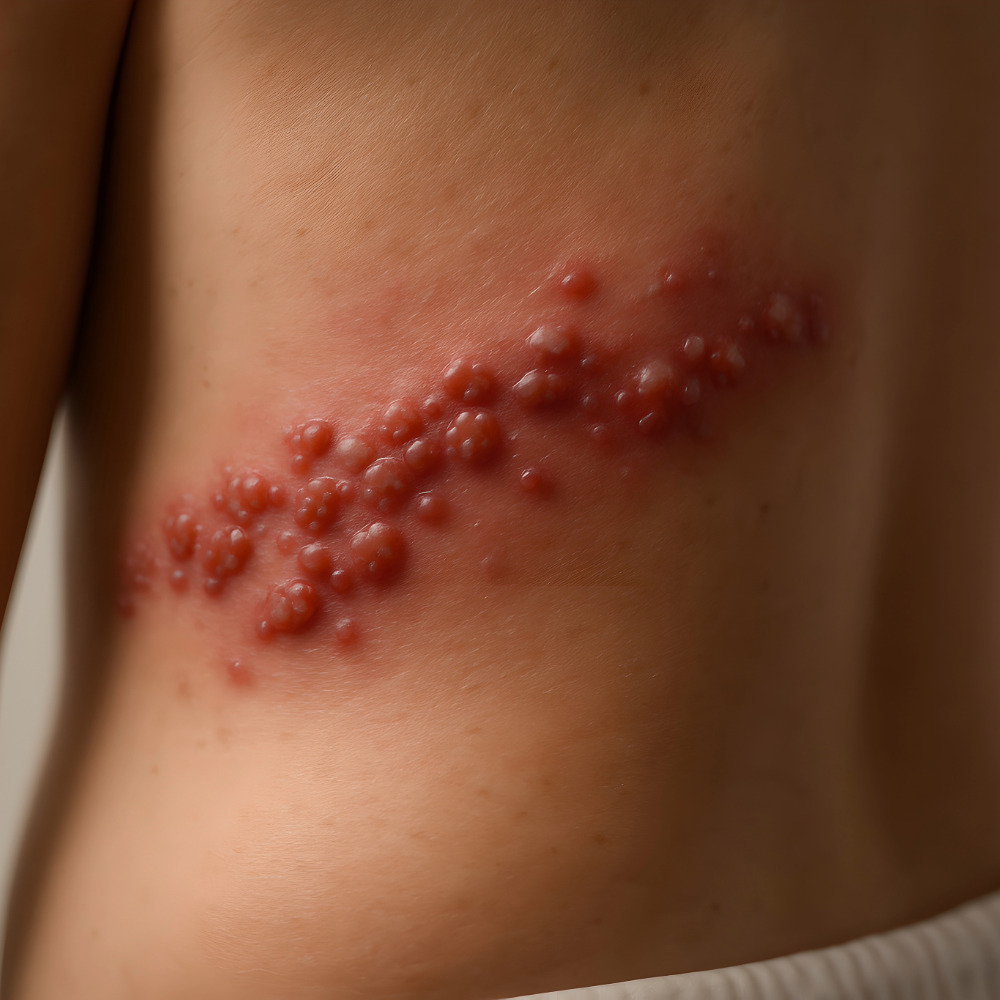
The hallmark of shingles is a painful, blistering rash that typically appears in a band, strip, or small area on one side of the body. The rash follows the path of a nerve, which is why it usually wraps around either the left or right side of the torso, though it can appear anywhere on the body, including the face, neck, and scalp.
The rash begins as red patches that quickly develop into clusters of fluid-filled blisters. These blisters are similar in appearance to chickenpox blisters. Over the course of seven to ten days, the blisters break open, ooze, and begin to crust over. The crusts typically fall off within two to four weeks, and the skin heals—though some discoloration or scarring may remain.
Pain and Discomfort
Pain is the most prominent symptom of shingles and can range from mild to severe. Many people describe the pain as burning, stabbing, or shooting. The affected skin may be extremely sensitive to touch—even light contact from clothing or a breeze can be painful. Some people experience intense itching as well.
Other Possible Symptoms
Depending on the location of the rash, you may experience additional symptoms. Shingles on the face near the eye (ophthalmic shingles) can cause eye pain, redness, swelling, and vision problems. Shingles affecting the ear (Ramsay Hunt syndrome) can cause facial weakness, hearing loss, dizziness, and ear pain. These presentations require immediate medical attention to prevent permanent damage.
Why Early Treatment Is Critical
If you suspect you have shingles, contacting Glo Dermatology promptly is essential. Antiviral medications are most effective when started within 72 hours of the rash first appearing—ideally even sooner. Early treatment can shorten the duration of the outbreak, reduce the severity of symptoms, lower the risk of complications, and speed healing.
While antiviral medications can still provide some benefit if started after 72 hours, their effectiveness decreases the longer treatment is delayed. Don’t wait to see if your symptoms improve on their own—if you think you might have shingles, seek care right away.
Shingles Complications
While most people recover from shingles without lasting problems, complications can occur, particularly in older adults and those with weakened immune systems.
Postherpetic Neuralgia (PHN)
The most common complication of shingles is postherpetic neuralgia, a condition in which pain persists in the affected area long after the rash has healed. PHN occurs when the virus damages nerve fibers, causing them to send exaggerated pain signals to the brain. The pain can be severe and debilitating, lasting for months or even years. PHN is more common in older adults and in people who had severe shingles pain or a large rash. Early antiviral treatment reduces the risk of developing PHN.
Vision Problems
Shingles that affects the eye (herpes zoster ophthalmicus) can cause serious complications including corneal damage, glaucoma, and even vision loss. If you develop shingles on your forehead, nose, or around your eye, seek immediate medical attention. You may need evaluation by an ophthalmologist in addition to treatment from Dr. Daoud.
Hearing and Balance Problems
Shingles affecting the ear and facial nerve (Ramsay Hunt syndrome) can cause facial paralysis, hearing loss, and balance problems. Early treatment improves the chances of full recovery.
Skin Infections
If shingles blisters become infected with bacteria, additional treatment with antibiotics may be needed. Keeping the rash clean and avoiding scratching helps prevent secondary infection.
Neurological Complications
In rare cases, shingles can lead to encephalitis (brain inflammation), meningitis, or other neurological problems. These complications are more common in people with weakened immune systems.
Diagnosing Shingles
Dr. Daoud can usually diagnose shingles based on the characteristic appearance and location of the rash, combined with your symptom history. The distinctive band-like pattern of blisters on one side of the body is highly suggestive of shingles.
In some cases, particularly early in the illness before the rash fully develops, or if the presentation is unusual, laboratory testing may be helpful. A sample from a blister can be tested to confirm the presence of the varicella-zoster virus.
If you’re experiencing pain or unusual sensations but haven’t developed a rash yet, let Dr. Daoud know—this could be the prodromal phase of shingles, and starting treatment early may help.
Shingles Treatment Options
Treatment for shingles focuses on reducing pain, speeding healing, and preventing complications. Dr. Daoud will develop a treatment plan tailored to your specific situation.
Antiviral Medications
Antiviral drugs are the cornerstone of shingles treatment. These medications don’t kill the virus but prevent it from multiplying, which helps limit the severity and duration of the outbreak. Commonly prescribed antivirals include acyclovir (Zovirax), valacyclovir (Valtrex), and famciclovir (Famvir).
For best results, antiviral treatment should begin within 72 hours of the rash appearing. Treatment typically continues for seven to ten days. Even if you’re past the 72-hour window, antivirals may still provide benefit, particularly if new blisters are still forming.
Pain Management
Managing shingles pain is an important part of treatment. Depending on the severity of your pain, options may include over-the-counter pain relievers such as acetaminophen or ibuprofen, topical treatments including lidocaine patches or creams and capsaicin cream, prescription pain medications for more severe pain, corticosteroids in some cases to reduce inflammation, and anticonvulsants or antidepressants which can help with nerve pain.
Dr. Daoud will work with you to find an effective pain management approach, adjusting as needed throughout your recovery.
Caring for the Rash
Proper care of the shingles rash promotes healing and helps prevent secondary bacterial infection. Keep the rash clean by gently washing with mild soap and water. Apply cool, wet compresses to help soothe the skin and relieve itching. Avoid scratching or picking at blisters, which can lead to infection and scarring. Wear loose, comfortable clothing that doesn’t irritate the affected area. Calamine lotion or colloidal oatmeal baths may help relieve itching.
Treatment for Complications
If complications develop, additional treatments may be needed. Postherpetic neuralgia may require ongoing pain management with medications specifically targeting nerve pain. Eye involvement requires evaluation and treatment by an ophthalmologist. Bacterial skin infections are treated with antibiotics.
What to Expect During Recovery
The shingles rash typically takes two to four weeks to heal completely. Pain may persist longer than the visible rash, gradually improving over time for most people.
During your recovery, rest as much as possible and avoid stress, which can impair immune function. Stay home while you have active blisters to avoid exposing others who may be susceptible to chickenpox. Eat a nutritious diet and stay hydrated to support your body’s healing process.
Follow up with Dr. Daoud as recommended so she can monitor your progress, adjust treatments if needed, and watch for signs of complications. If your pain worsens, you develop new symptoms, or the rash shows signs of bacterial infection (increasing redness, warmth, swelling, or pus), contact our office promptly.
Preventing Shingles: The Shingles Vaccine
The most effective way to prevent shingles is vaccination. The CDC recommends that adults 50 and older receive the Shingrix vaccine, which is given as two doses, two to six months apart. Shingrix is more than 90 percent effective at preventing shingles and postherpetic neuralgia.
You should get the Shingrix vaccine even if you’ve had shingles before, as the virus can reactivate more than once. You should also get vaccinated even if you received the older shingles vaccine (Zostavax), as Shingrix provides stronger, longer-lasting protection.
The vaccine is also recommended for adults 19 and older who have weakened immune systems due to disease or therapy.
If you haven’t been vaccinated against shingles and are 50 or older, talk to your primary care physician about getting the Shingrix vaccine. While Glo Dermatology doesn’t administer vaccines, we strongly encourage our patients to protect themselves through vaccination.
Who Is at Risk for Shingles?
Anyone who has had chickenpox can develop shingles, but certain factors increase the risk.
Age
The risk of shingles increases significantly with age. About half of all shingles cases occur in adults 60 and older. The immune system naturally weakens with age, making it easier for the dormant virus to reactivate.
Weakened Immune System
Conditions and treatments that weaken the immune system increase shingles risk. This includes HIV/AIDS, cancer (particularly leukemia and lymphoma), chemotherapy and radiation therapy, immunosuppressive medications (such as those taken after organ transplant), and long-term use of corticosteroids.
Stress and Illness
Physical or emotional stress, serious illness, and major surgery can temporarily weaken immune function and may trigger shingles reactivation.
Never Having Chickenpox or the Vaccine
If you’ve never had chickenpox or the chickenpox vaccine, you can’t develop shingles. However, you could catch chickenpox from someone with active shingles.
Schedule Your Appointment Today
If you’re experiencing the burning, tingling, or pain that may signal shingles, or if you’ve already developed a rash, don’t delay seeking treatment. Early intervention makes a significant difference in shingles outcomes. Dr. Shaza Daoud and the team at Glo Dermatology are here to provide prompt, compassionate care to help you through this painful condition.
Contact our Parma office immediately at (216) 351-7700 if you suspect you have shingles. We understand the urgency and will work to see you as quickly as possible. We welcome patients from throughout Greater Cleveland and Northeast Ohio, including Parma Heights, Brooklyn, Seven Hills, Independence, Middleburg Heights, and surrounding communities.
Frequently Asked Questions About Shingles
Can I get shingles more than once?
Yes, although it’s not common. Most people who get shingles have only one episode, but the virus can reactivate again, particularly in people with weakened immune systems. Getting the Shingrix vaccine can help prevent recurrence.
Is shingles contagious?
Shingles itself cannot be passed from person to person. However, someone with active shingles can transmit the varicella-zoster virus to a person who has never had chickenpox or the chickenpox vaccine. That person would then develop chickenpox, not shingles. Once all shingles blisters have crusted over, you’re no longer contagious.
How long does shingles last?
The shingles rash typically lasts two to four weeks. Pain may begin before the rash appears and can persist after the rash heals, though it usually improves over time. In some cases, pain (postherpetic neuralgia) can last for months or even years.
Can I get shingles if I’ve never had chickenpox?
No. Shingles is caused by the reactivation of the chickenpox virus, so you can only get shingles if you’ve previously had chickenpox. However, some people had such mild cases of chickenpox that they don’t remember having it. If you’re unsure whether you’ve had chickenpox, blood tests can determine if you carry the virus.
What does shingles pain feel like?
Shingles pain is often described as burning, stabbing, shooting, or throbbing. The affected skin may be extremely sensitive to touch. Some people experience constant pain, while others have intermittent sharp pains. The severity varies widely from person to person.
Should I go to the emergency room for shingles?
In most cases, urgent care or prompt evaluation by a dermatologist is appropriate for shingles. However, you should seek emergency care if shingles affects your eye or vision, you experience severe headache, confusion, or neck stiffness, the rash is widespread, or you have a severely weakened immune system.