
Personalized Acne Care In Parma
Acne is one of the most common skin conditions in the United States, affecting approximately 50 million Americans each year. If you’re struggling with persistent breakouts, you’re far from alone—and more importantly, you don’t have to accept acne as an inevitable part of your life. At Glo Dermatology in Parma, Ohio, Dr. Shaza Daoud provides comprehensive acne treatment for patients of all ages, helping teens, adults, and everyone in between achieve clearer, healthier skin.
Whether you’re dealing with occasional pimples, stubborn blackheads, painful cystic acne, or acne that has left behind unwanted scars, our practice offers the expertise and personalized care you need. Dr. Daoud takes the time to understand each patient’s unique skin type, lifestyle factors, and treatment goals before developing a customized plan designed to deliver real, lasting results. At Glo Dermatology, we believe that everyone deserves to feel confident in their skin.
Understanding Acne: What Causes Breakouts?
Acne develops when hair follicles become clogged with oil (sebum) and dead skin cells. Under normal circumstances, sebum travels up through the hair follicle and onto the skin’s surface, where it helps keep skin moisturized and protected. However, when excess oil combines with dead skin cells, it can form a plug that blocks the follicle opening. This creates an environment where bacteria can thrive, leading to inflammation, redness, and the various types of acne lesions we recognize as pimples, blackheads, whiteheads, and cysts.
Several factors contribute to acne development. Hormonal fluctuations play a significant role, which explains why acne often appears during puberty, menstruation, pregnancy, and menopause. Androgens—hormones that increase in both boys and girls during adolescence—cause the sebaceous glands to enlarge and produce more sebum. Hormonal changes later in life, particularly in women, can also trigger or worsen acne.
Genetics also influence your likelihood of developing acne. If your parents struggled with acne, you’re more likely to experience it yourself. Other contributing factors include certain medications, stress, diet, and skincare products that clog pores. Understanding these underlying causes helps Dr. Daoud develop treatment strategies that address your acne at its source rather than simply treating symptoms.
Types of Acne We Treat
Acne presents in many different forms, and effective treatment requires accurate identification of the specific types of lesions you’re experiencing. At Glo Dermatology, we treat all forms of acne, including:
Non-Inflammatory Acne
Non-inflammatory acne includes blackheads (open comedones) and whiteheads (closed comedones). These lesions form when pores become clogged but don’t involve significant inflammation or bacterial infection. Blackheads appear dark because the clogged material oxidizes when exposed to air, not because of dirt. Whiteheads remain closed at the surface, appearing as small, flesh-colored or white bumps.
Inflammatory Acne
Inflammatory acne occurs when bacteria multiply within clogged pores, triggering an immune response that causes redness, swelling, and discomfort. This category includes papules (small, red, tender bumps), pustules (papules with pus at the tip, commonly called pimples), nodules (large, painful lumps beneath the skin’s surface), and cysts (deep, pus-filled lesions that can cause significant scarring).
Acne Variants
Some patients experience specific acne variants that require specialized treatment approaches. These include acne mechanica (caused by friction, pressure, or heat), acne cosmetica (triggered by cosmetic products), and hormonal acne (characterized by breakouts along the jawline and chin, often fluctuating with the menstrual cycle).
Our Approach to Acne Treatment
At Glo Dermatology, we recognize that acne treatment isn’t one-size-fits-all. What works beautifully for one patient may be ineffective or even counterproductive for another. That’s why Dr. Daoud begins every acne consultation with a thorough evaluation of your skin, medical history, lifestyle factors, and previous treatment experiences.
During your appointment, Dr. Daoud will examine your skin closely to identify the types of acne lesions present, assess the severity of your condition, and look for signs of scarring or post-inflammatory hyperpigmentation. She’ll also discuss factors that may be contributing to your breakouts, such as hormonal patterns, stress levels, dietary habits, and your current skincare routine.
Based on this comprehensive assessment, Dr. Daoud will develop a personalized treatment plan tailored to your specific needs. She’ll explain the reasoning behind each recommendation, discuss what results you can realistically expect, and outline a timeline for improvement. Throughout your treatment, she’ll monitor your progress and make adjustments as needed to ensure you’re achieving the best possible outcomes.
Acne Treatment Options
Glo Dermatology offers a full range of acne treatments, from topical medications to advanced therapies. Your treatment plan may include one or more of the following approaches:
Topical Treatments
Topical medications are applied directly to the skin and represent the first-line treatment for many types of acne. Options include retinoids (which promote cell turnover and prevent clogged pores), benzoyl peroxide (which kills acne-causing bacteria), topical antibiotics (which reduce bacteria and inflammation), salicylic acid (which helps unclog pores), and azelaic acid (which has antibacterial and anti-inflammatory properties). Dr. Daoud will select the most appropriate topical treatments based on your acne type and skin sensitivity.
Oral Medications
For moderate to severe acne, or acne that hasn’t responded adequately to topical treatments alone, oral medications may be recommended. Oral antibiotics can reduce bacteria and inflammation from within. For women with hormonal acne, certain birth control pills or anti-androgen medications may be effective. In cases of severe, scarring acne that hasn’t responded to other treatments, isotretinoin (formerly known as Accutane) may be considered. This powerful medication addresses all major causes of acne and can produce long-lasting remission, though it requires careful monitoring due to potential side effects.
Chemical Peels
Chemical peels can be a valuable addition to an acne treatment regimen. By removing the outermost layers of skin, peels help unclog pores, reduce oiliness, improve skin texture, and fade post-acne discoloration. Dr. Daoud offers peels at various strengths to address different concerns and skin types.
Extraction Therapy
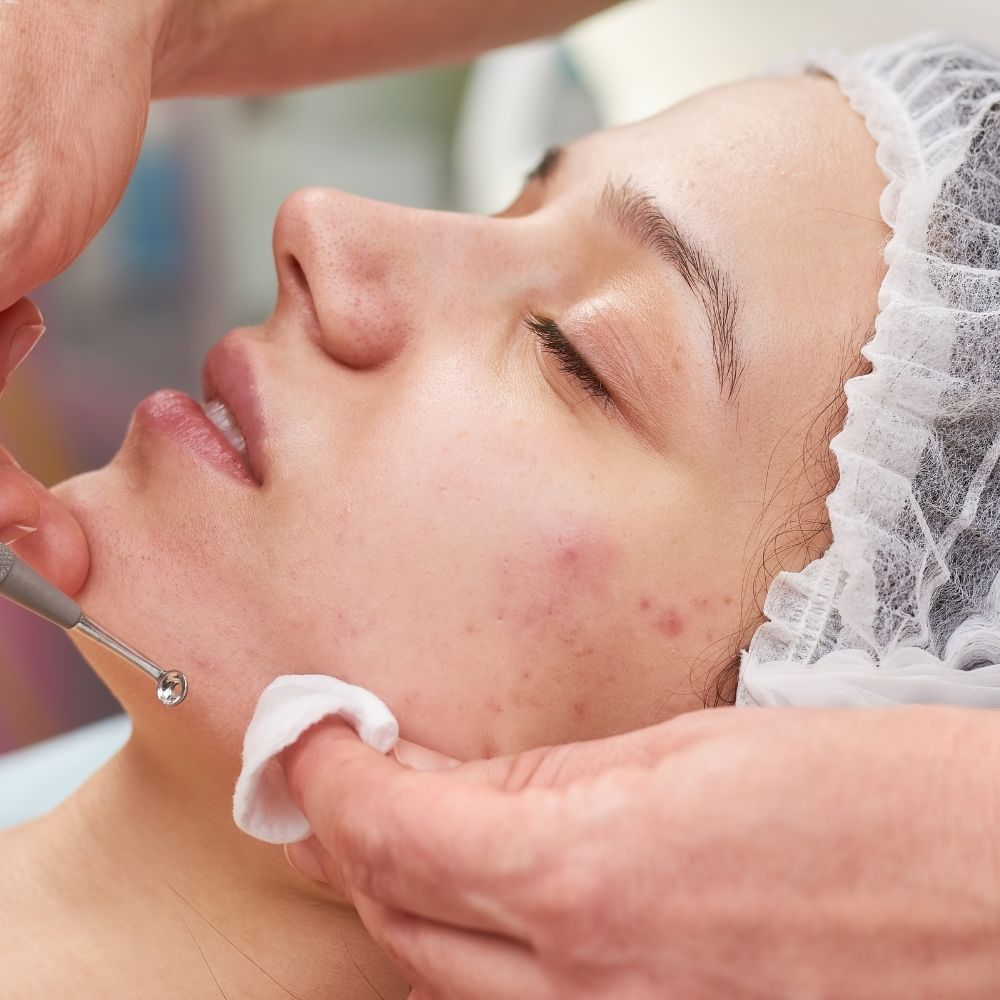
For stubborn blackheads and whiteheads that don’t respond to topical treatments, professional extraction can provide immediate improvement. Dr. Daoud uses proper techniques and sterile instruments to safely remove comedones without causing damage or scarring.
Light and Laser Therapies
Certain light-based treatments can help reduce acne-causing bacteria, decrease oil production, and calm inflammation. These therapies may be used alone or in combination with other treatments for enhanced results.
Treating Adult Acne
While acne is often associated with teenagers, adult acne is increasingly common—and often more frustrating for those who experience it. Many adults who had clear skin during adolescence find themselves dealing with breakouts in their twenties, thirties, forties, or beyond. Women are particularly susceptible to adult acne due to hormonal fluctuations related to menstruation, pregnancy, polycystic ovary syndrome (PCOS), and menopause.
Adult acne often differs from teenage acne in both its presentation and its causes. Adults tend to experience inflammatory acne concentrated on the lower face, jawline, and neck, whereas teenage acne more commonly affects the forehead, nose, and cheeks. Adult skin is also typically more sensitive and prone to dryness than teenage skin, which can complicate treatment selection.
Dr. Daoud has extensive experience treating adult acne patients and understands the unique challenges they face. She takes hormonal factors into account, selects treatments appropriate for mature skin, and addresses concerns about aging and acne simultaneously. Many adult patients find that a comprehensive approach addressing both acne and overall skin health produces the most satisfying results.
Preventing Acne Scars
One of the most important reasons to seek professional acne treatment is to prevent permanent scarring. Acne scars form when the skin’s healing process is disrupted by inflammation, picking, or squeezing. Deep, inflamed lesions like nodules and cysts are most likely to leave scars, but even milder acne can cause scarring if not properly managed.
The best way to prevent acne scars is to treat acne early and effectively before significant scarring occurs. Dr. Daoud emphasizes this proactive approach, particularly for patients with inflammatory acne or a family history of acne scarring. By bringing acne under control quickly, we can minimize the risk of permanent skin damage.
If you already have acne scars, Glo Dermatology offers several treatment options to improve their appearance. Depending on the type and severity of your scars, treatment may include chemical peels, microneedling, laser therapy, or dermal fillers. Dr. Daoud will evaluate your scars and recommend the most appropriate approach during your consultation.
Building an Effective Skincare Routine
While professional treatment forms the foundation of acne management, your daily skincare routine plays an important supporting role. Dr. Daoud will provide personalized recommendations for home care products and practices that complement your in-office treatments.
General principles for acne-prone skin include cleansing twice daily with a gentle, non-comedogenic cleanser; avoiding harsh scrubbing or abrasive products that can irritate skin and worsen inflammation; using oil-free, non-comedogenic moisturizers and sunscreens; applying treatment products as directed; and resisting the urge to pick, squeeze, or pop pimples.
Dr. Daoud can also help you identify products in your current routine that may be contributing to breakouts. Many patients are surprised to learn that certain “natural” or “gentle” products contain ingredients that clog pores or irritate acne-prone skin.
What to Expect from Acne Treatment
Patience is essential when treating acne. Most acne treatments take six to eight weeks to show significant improvement, and some medications may initially cause a temporary worsening of acne before things get better. Dr. Daoud will prepare you for what to expect and provide guidance for managing any initial flare-ups.
Consistency is equally important. Acne treatments only work if used regularly as prescribed. Skipping applications or stopping treatment prematurely often leads to relapse. Dr. Daoud will work with you to develop a treatment regimen that fits your lifestyle and that you can maintain long-term.
Follow-up appointments allow Dr. Daoud to monitor your progress, address any side effects, and adjust your treatment plan as needed. Most patients see their acne improve significantly within two to three months of starting treatment, though individual results vary based on acne severity and treatment response.
Schedule Your Acne Consultation Today
Living with acne can affect your confidence, self-esteem, and quality of life—but it doesn’t have to. With proper professional treatment, clearer skin is within reach for virtually everyone.
Take the first step toward clearer skin by scheduling a consultation with Dr. Shaza Daoud at Glo Dermatology. During your appointment, she’ll evaluate your skin, discuss your concerns and goals, and develop a personalized treatment plan designed to help you achieve the clear, healthy complexion you deserve.
Contact our Parma office today at (216) 351-7700 to schedule your acne consultation. We welcome patients from throughout Greater Cleveland and Northeast Ohio, including Parma Heights, Brooklyn, Seven Hills, Independence, Middleburg Heights, and surrounding communities.
Frequently Asked Questions About Acne Treatment
Why do I still have acne as an adult?
Adult acne is very common and can occur for various reasons. Hormonal fluctuations, stress, certain medications, and genetics can all contribute to breakouts well into adulthood. Women often experience acne related to menstrual cycles, pregnancy, or menopause. The good news is that adult acne responds well to treatment when the underlying causes are properly addressed.
How long does acne treatment take to work?
Most acne treatments require six to eight weeks of consistent use before significant improvement becomes visible. Some treatments may cause temporary worsening before improvement occurs. Dr. Daoud will provide realistic expectations based on your specific treatment plan and monitor your progress through follow-up appointments.
Will my acne come back after treatment?
Acne is a chronic condition that can recur, especially if treatment is stopped abruptly. Many patients require ongoing maintenance therapy to keep their skin clear. Dr. Daoud will work with you to develop a long-term management plan that minimizes the risk of relapse while keeping your routine as simple as possible.
Can diet affect acne?
Research suggests that certain dietary factors may influence acne in some individuals. High-glycemic foods (like white bread, sugary snacks, and processed foods) and dairy products have been linked to acne in some studies. However, diet affects people differently, and not everyone’s acne responds to dietary changes. Dr. Daoud can discuss whether dietary modifications might be helpful as part of your overall treatment plan.
Is it okay to pop pimples?
No. Picking, squeezing, or popping pimples can push bacteria deeper into the skin, worsen inflammation, and significantly increase the risk of scarring and post-inflammatory hyperpigmentation. If you have stubborn comedones or cysts that need attention, professional extraction by a dermatologist is much safer than attempting to treat them yourself.
What’s the difference between over-the-counter and prescription acne treatments?
Over-the-counter products typically contain lower concentrations of active ingredients and are appropriate for mild acne. Prescription treatments offer stronger formulations, additional medication options (like oral antibiotics, hormonal treatments, and retinoids), and the expertise of a dermatologist who can customize your treatment plan. For moderate to severe acne, or acne that hasn’t responded to over-the-counter products, professional treatment is recommended.