
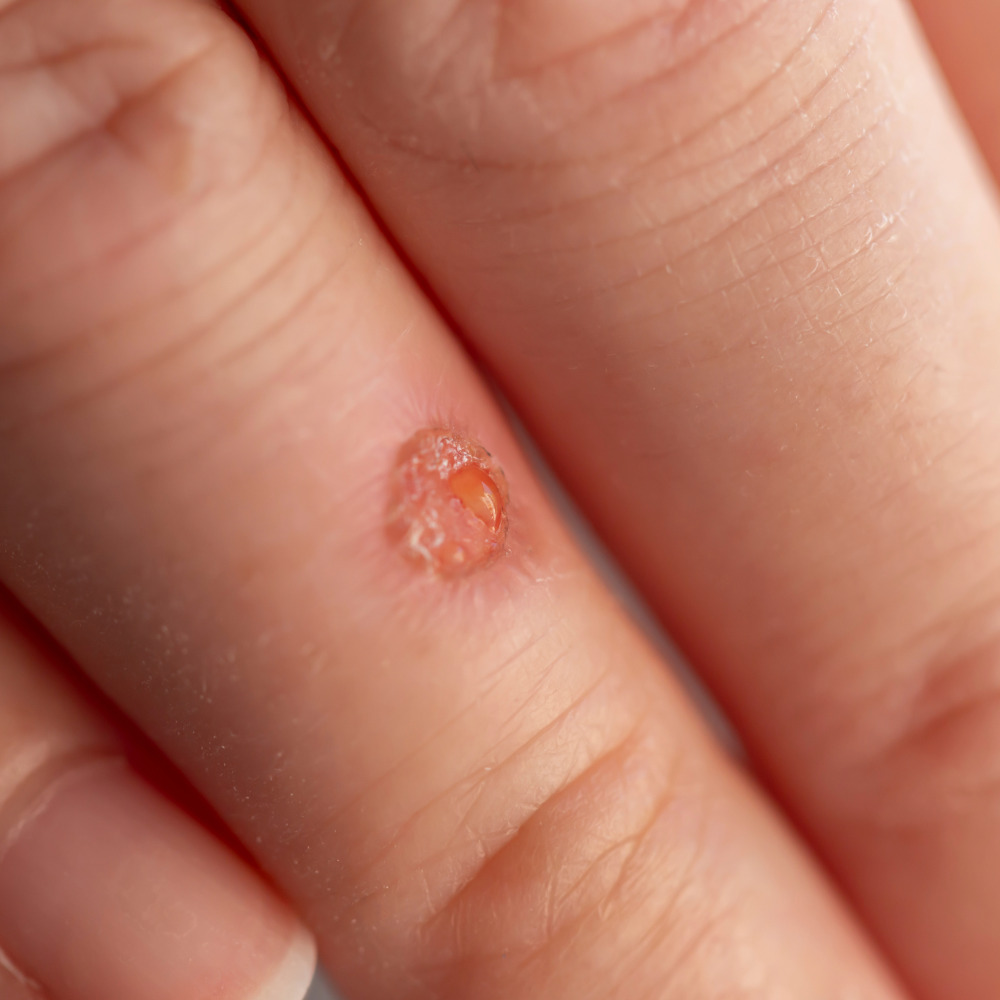
Warts Treatment for Fast, Effective Removal
Warts are one of the most common skin conditions, affecting millions of people each year. While generally harmless, these stubborn growths can be embarrassing, uncomfortable, and frustratingly difficult to eliminate with over-the-counter treatments. At Glo Dermatology in Parma, Ohio, Dr. Shaza Daoud offers effective professional wart removal treatments to help patients throughout Greater Cleveland get rid of warts and enjoy clear, smooth skin again.
If you’ve been struggling with warts that won’t go away, keep coming back, or are spreading to new areas, professional treatment can make a significant difference. Dr. Daoud provides multiple treatment options tailored to the type, location, and number of warts you have, as well as your individual needs and preferences. With the right approach, even the most stubborn warts can be eliminated.
What Are Warts?
Warts are benign skin growths caused by the human papillomavirus (HPV). When HPV infects the top layer of skin, it causes cells to grow rapidly, forming the raised, rough bumps we recognize as warts. There are over 100 different strains of HPV, and different strains tend to cause warts in different locations on the body.
HPV enters the skin through tiny cuts, scrapes, or breaks in the skin barrier. Once infected, it may take weeks or even months for a wart to become visible. The virus is contagious and can spread from person to person through direct contact or by touching contaminated surfaces like shower floors, towels, or gym equipment. You can also spread warts to other parts of your own body by touching a wart and then touching another area.
While warts can affect anyone, they’re particularly common in children and young adults, whose immune systems are still developing defenses against HPV. People with weakened immune systems are also more susceptible to warts and may have more difficulty clearing them.
The good news is that warts are benign—they’re not cancerous and don’t pose serious health risks. However, they can be cosmetically bothersome, uncomfortable (especially on the feet), and persistent without treatment.
Types of Warts
Warts come in several varieties, each with distinct characteristics and typical locations.
Common Warts (Verruca Vulgaris)
Common warts are the most frequently encountered type. They typically appear as raised, rough bumps with a cauliflower-like texture. Their color ranges from flesh-toned to grayish-brown, and they often have tiny black dots (thrombosed capillaries) visible on the surface. Common warts most often develop on the fingers, hands, and around the nails, though they can appear anywhere on the body.
Plantar Warts (Verruca Plantaris)
Plantar warts develop on the soles of the feet. Because of the pressure from walking and standing, they grow inward rather than outward, often becoming flat or even slightly indented. Plantar warts can feel like you’re walking on a pebble and may cause significant discomfort. They often have a rough, grainy surface with black pinpoint dots and may be surrounded by thickened, callused skin. Plantar warts can occur singly or in clusters called mosaic warts.
Flat Warts (Verruca Plana)
Flat warts are smaller and smoother than other types, with flat tops that are only slightly raised above the skin surface. They’re typically flesh-colored, pink, or light brown. Flat warts often appear in large numbers—sometimes dozens at a time—on the face, forehead, or legs. In men, they commonly occur in the beard area, where shaving can spread the virus. In women, they frequently appear on the legs.
Filiform Warts
Filiform warts have a distinctive appearance—they’re long, narrow, and thread-like, projecting outward from the skin. They typically appear on the face, especially around the mouth, nose, and eyes. Because of their prominent appearance and location, filiform warts are often particularly bothersome to patients.
Periungual Warts
Periungual warts develop around and under the fingernails and toenails. They can be particularly challenging to treat because of their location and may affect nail growth, causing the nail to become raised, distorted, or detached. These warts can be painful and may spread beneath the nail if not treated.
Genital Warts
Genital warts are caused by specific strains of HPV and appear in the genital and anal areas. They require specialized evaluation and treatment and are typically managed by gynecologists, urologists, or dermatologists with expertise in this area.
Why Warts Are So Stubborn
Many people are frustrated by warts that resist treatment or keep returning. Understanding why warts can be so persistent helps explain why professional treatment is often necessary.
The Virus Hides from the Immune System
HPV is remarkably good at evading the immune system. The virus lives in the top layers of skin without entering the bloodstream, which limits the immune system’s ability to detect and fight it. This allows warts to persist for months or even years.
Over-the-Counter Treatments Have Limitations
While drugstore wart treatments can work for some people, they have significant limitations. Most contain salicylic acid at relatively low concentrations, which may not be strong enough to destroy stubborn warts. Over-the-counter freezing products don’t get as cold as medical-grade liquid nitrogen and may not penetrate deeply enough to be effective.
Warts Can Spread and Recur
Because the virus is contagious, warts can spread to new areas while you’re treating existing ones. Even after a wart appears to be gone, if virus particles remain in the skin, the wart may recur.
Some Warts Go Deep
Plantar warts and other warts in certain locations can extend deep into the skin, making them difficult to eliminate with surface treatments alone.
When to See a Dermatologist for Warts
While some warts eventually resolve on their own (typically over months to years), there are many reasons to seek professional treatment.
You should consider seeing Dr. Daoud if over-the-counter treatments haven’t worked after several weeks of consistent use, warts are spreading to new areas, warts are painful, bleeding, or interfering with daily activities, warts are located on the face, genitals, or other sensitive areas, you have many warts or they keep recurring, you have diabetes, peripheral neuropathy, or poor circulation (especially for foot warts), you have a weakened immune system, or you’re uncertain whether a growth is actually a wart.
Professional evaluation ensures accurate diagnosis and access to more effective treatment options than those available over the counter.
Professional Wart Treatment Options
Dr. Daoud offers several effective treatments for warts. The best approach depends on the type, location, size, and number of warts, as well as your age, health status, and previous treatment attempts.
Cryotherapy (Freezing)
Cryotherapy is one of the most common and effective professional wart treatments. It involves applying liquid nitrogen to the wart, freezing and destroying the infected tissue. The extreme cold causes a blister to form beneath the wart, separating it from the underlying healthy skin. Over the following days to weeks, the dead tissue falls off.
Cryotherapy typically requires multiple treatment sessions spaced two to four weeks apart for complete wart removal. The procedure causes some discomfort—a stinging or burning sensation during freezing—but is generally well-tolerated. Temporary blistering, redness, and mild pain are common after treatment.
Cantharidin
Cantharidin is a blistering agent derived from blister beetles that’s applied directly to the wart in the office. It’s painless during application, making it particularly useful for treating children or warts in sensitive areas. Over the following hours, cantharidin causes a blister to form beneath the wart, lifting it away from healthy skin. The dead wart tissue is removed at a follow-up visit. Multiple treatments may be needed.
Electrosurgery and Curettage
This technique combines burning (electrosurgery) and scraping (curettage) to remove warts. After numbing the area with local anesthesia, Dr. Daoud uses electrical current to destroy the wart tissue and then scrapes away the remaining debris. This method is effective for common warts and filiform warts and provides immediate results, though the wound requires time to heal.
Immunotherapy
Immunotherapy treatments work by stimulating your body’s own immune system to recognize and fight the HPV infection. Several approaches are available.
Intralesional immunotherapy involves injecting substances directly into the wart to trigger an immune response. Common agents include Candida antigen or mumps antigen, which many people have existing immunity to from previous exposure or vaccination. The injection causes inflammation that helps the immune system recognize and attack the wart virus.
Topical immunotherapy with medications like imiquimod cream stimulates local immune activity and can be effective for certain types of warts.
Topical Treatments
Prescription-strength topical treatments are more potent than over-the-counter options. These may include high-concentration salicylic acid preparations, 5-fluorouracil cream (a chemotherapy agent that destroys rapidly dividing cells), and retinoids, which help disrupt wart cell growth.
These treatments are typically applied at home over several weeks under Dr. Daoud’s guidance.
Laser Treatment
Laser therapy uses focused light energy to destroy wart tissue. Pulsed dye laser targets the blood vessels feeding the wart, cutting off its blood supply. Other lasers can be used to vaporize wart tissue directly. Laser treatment may be recommended for warts that haven’t responded to other treatments or for certain locations.
Surgical Excision
For stubborn warts that haven’t responded to other treatments, surgical removal may be considered. This involves numbing the area and cutting out the wart. While effective, surgical excision carries a higher risk of scarring and is typically reserved for recalcitrant cases.
What to Expect During Wart Treatment
Most wart treatments are performed right in our Parma office and take only a few minutes per wart. Here’s what you can generally expect:
Dr. Daoud will examine your warts and discuss treatment options with you, explaining the pros and cons of each approach. Once a treatment plan is decided, she’ll proceed with the chosen method.
For treatments that may cause discomfort (like electrosurgery), local anesthesia will be used to numb the area. Cryotherapy and cantharidin don’t typically require anesthesia.
After treatment, you’ll receive specific aftercare instructions. You may experience some discomfort, blistering, or redness in the treated area, depending on the treatment method used.
Most warts require multiple treatment sessions for complete removal. Dr. Daoud will schedule follow-up appointments to assess your progress and continue treatment as needed.
Aftercare and Healing
Proper aftercare supports healing and helps prevent wart recurrence. Following your treatment, keep the treated area clean and dry as directed. Avoid picking at blisters or scabs that form—let them heal naturally. Cover the treated area with a bandage if recommended. Watch for signs of infection, including increasing pain, redness, swelling, or discharge. Attend all follow-up appointments, as multiple treatments are often necessary.
Healing time varies depending on the treatment method and the size and location of the wart. Most treated areas heal within one to three weeks.
Preventing Wart Spread and Recurrence
While you’re being treated for warts and afterward, taking steps to prevent spread and recurrence is important.
Avoid touching your warts, and wash your hands thoroughly if you do. Don’t pick at, scratch, or bite warts, as this can spread the virus to your mouth or other areas. Keep warts covered with a bandage when possible. Don’t share towels, razors, nail clippers, or other personal items. Wear shower shoes or flip-flops in public locker rooms, pools, and showers. Keep your feet clean and dry, and change socks daily. Don’t shave over warts, as this can spread the virus. Maintain healthy skin by moisturizing dry, cracked areas where the virus can enter.
Even with these precautions, warts sometimes recur because HPV can remain dormant in the skin. If warts return, prompt treatment can prevent them from spreading.
Warts in Children
Warts are extremely common in children, whose immune systems are still developing. Most childhood warts are harmless and will eventually resolve on their own, but treatment may be desired if warts are spreading, causing embarrassment, or interfering with activities.
When treating warts in children, Dr. Daoud uses gentle approaches that minimize discomfort and anxiety. Cantharidin is often an excellent choice for children because it’s painless during application. Treatment decisions are made in partnership with parents, considering the child’s age, the wart’s location, and the level of concern.
Schedule Your Wart Removal Appointment Today
Don’t let stubborn warts affect your confidence or comfort. Dr. Shaza Daoud and the team at Glo Dermatology offer effective professional wart treatment to help you achieve clear, smooth skin.
Contact our Parma office today at (216) 351-7700 to schedule your appointment. We welcome patients from throughout Greater Cleveland and Northeast Ohio, including Parma Heights, Brooklyn, Seven Hills, Independence, Middleburg Heights, and surrounding communities.
Frequently Asked Questions About Warts
Are warts contagious?
Yes, warts are caused by the human papillomavirus (HPV), which is contagious. You can catch warts through direct contact with a wart or by touching contaminated surfaces. You can also spread warts to other parts of your own body. Covering warts and practicing good hygiene helps prevent spread.
Will warts go away on their own?
Some warts do eventually resolve without treatment as the immune system fights off the virus—but this can take months to years. Many warts persist indefinitely without treatment, and they may spread to new areas while you wait. Professional treatment can clear warts much faster.
Why do my warts keep coming back?
Wart recurrence happens because HPV can remain in the skin even after a wart appears to be gone. If virus particles survive treatment, the wart may regrow. Complete destruction of all infected tissue and supporting your immune system’s ability to fight HPV are key to preventing recurrence.
Are plantar warts different from other warts?
Plantar warts are caused by the same virus as other warts but behave differently because of their location on the sole of the foot. The pressure of walking pushes them inward rather than allowing them to grow outward, and they often develop a thick callus covering. This can make plantar warts more painful and more challenging to treat.
Can I treat warts at home?
Over-the-counter wart treatments work for some people, but they have limitations. If home treatment hasn’t worked after several weeks of consistent use, professional treatment is recommended. Never attempt to cut off or burn warts yourself, as this can cause injury, infection, or scarring.
Is wart removal painful?
Discomfort varies depending on the treatment method and the wart’s location. Cryotherapy causes temporary stinging or burning during treatment. Cantharidin is painless during application but may cause discomfort as the blister forms. For more invasive treatments, local anesthesia ensures comfort during the procedure. Any post-treatment discomfort is usually mild and manageable with over-the-counter pain relievers.